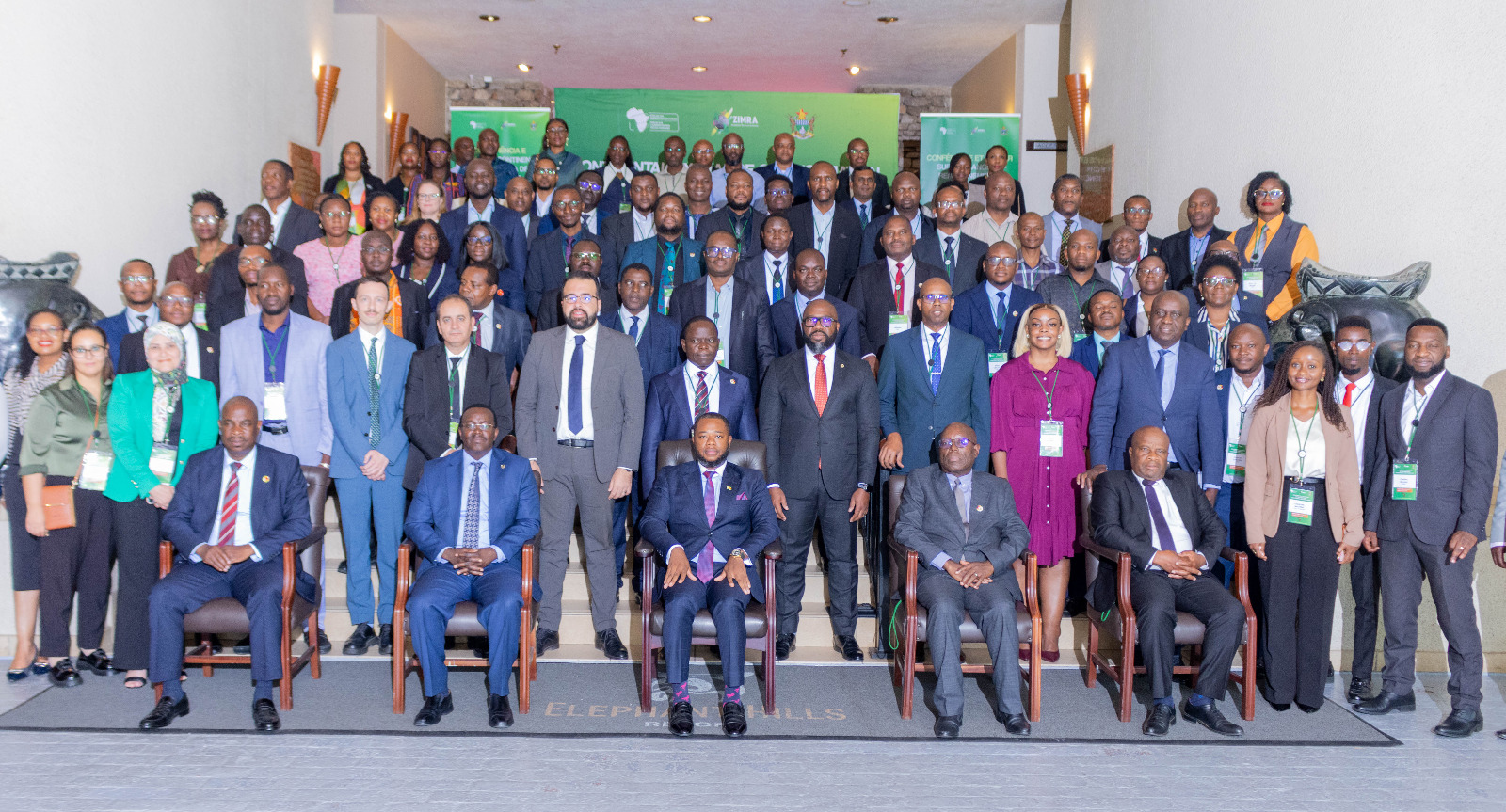
ATAF participated in the CREDAF Annual Meetings held in Conakry, Guinea, from 9 to 12 June 2026, contributing African perspectives to discussions on the risks facing tax administrations and the measures needed to strengthen their resilience in an increasingly complex global environment.
Representing ATAF, Mr Romeo Nkoulou-Ella and Mr Frankie Mbuyamba joined a panel examining how tax administrations can respond to economic, technological, and institutional challenges while sustaining domestic revenue mobilisation.
Speaking on revenue resilience, Mr Frankie Mbuyamba outlined ATAF’s strategic approach to supporting African countries in maintaining and growing revenue collections amid economic uncertainty. He emphasised the importance of advancing towards the African Union Commission’s target of a 20% tax-to-GDP ratio by strengthening taxation in high-growth sectors such as telecommunications, financial services, and extractives, while protecting sectors that remain vulnerable to economic shocks.
Mr Mbuyamba also showcased ATAF’s ongoing efforts to support the digitalisation of tax administrations across the continent. He pointed to the ATAF Technology and Innovation Hub as a key initiative to help revenue authorities leverage technology to improve efficiency, transparency, and taxpayer compliance.
Addressing the structural challenges facing African tax administrations, Mr Romeo Nkoulou-Ella focused on the implications of ongoing reforms to the international tax architecture. He noted that African countries are currently engaging in two parallel global tax processes: the OECD/G20 Inclusive Framework and the emerging United Nations Framework Convention on International Tax Cooperation.
He highlighted both the risks and opportunities posed by these developments, particularly for Africa’s ability to secure its fair share of revenues generated by economic activities on the continent. Among the key challenges, he cited capacity constraints associated with participating effectively in multiple complex negotiations simultaneously and the need to translate Africa’s political unity into coherent technical positions during negotiations.
Mr Nkoulou-Ella recalled that Africa achieved a significant milestone in 2022 with the adoption of United Nations Resolution 78/230, which launched the process towards a UN Framework Convention on International Tax Cooperation. He noted that the focus has now shifted from political advocacy to technical negotiations, including the work of intergovernmental working groups, protocol development, and the design of governance and decision-making mechanisms.
He stressed that sustaining Africa’s influence throughout these processes will require continued political commitment, strengthened technical capacity, and coordinated African positions at every stage of the negotiations.
The discussions underscored the importance of strengthening both the operational resilience of tax administrations and Africa’s capacity to influence the evolving international tax landscape. Through its technical work, advocacy, and support to member countries, ATAF continues to help African tax administrations respond to emerging challenges while advancing sustainable domestic revenue mobilisation.