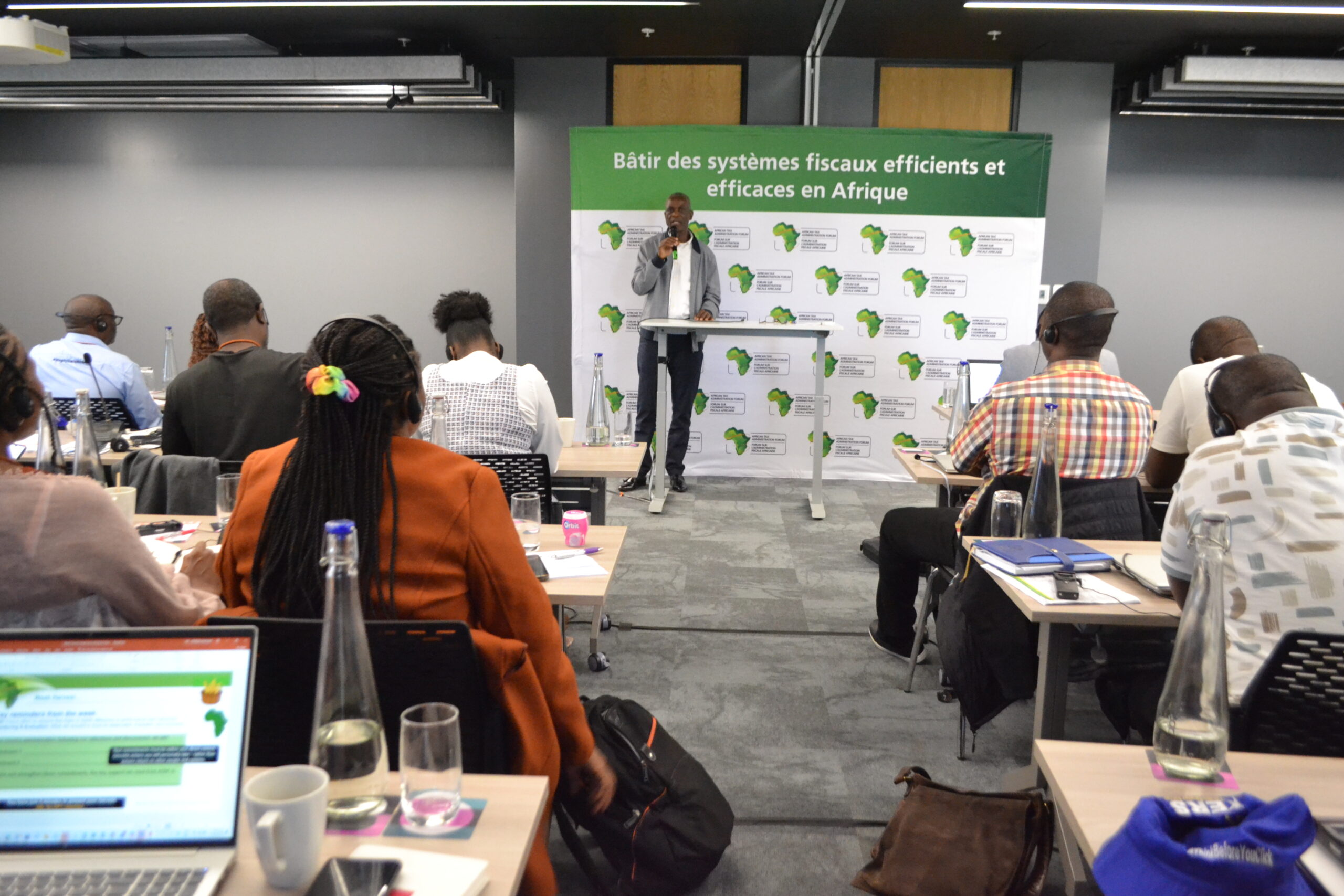
Through targeted technical assistance, ATAF continues to translate complex global tax reforms into practical, country-specific solutions that help African countries protect their tax bases and strengthen domestic resource mobilisation.
As part of this effort, ATAF deployed a technical team to Uganda to support the country’s preparedness for the OECD/G20 Inclusive Framework on BEPS Pillar II – i.e., the Global Minimum Tax (GMT).
ATAF experts Dr Ezera Madzivanyika, Ms Betty Ahwera and Dr Abrams Tagem worked closely with the Uganda Revenue Authority, the Petroleum Authority of Uganda, the Uganda Investment Authority, and the Ministry of Finance, Planning and Economic Development to undertake a comprehensive, data-driven assessment of multinational enterprises (MNEs) operating within the scope of the Pillar II rules.
The assessment analysed Uganda’s existing corporate income tax incentive regime and calculated jurisdictional effective tax rates for in-scope entities to determine potential exposure to top-up taxes under the Global Minimum Tax framework. This granular analysis provides Uganda with an evidence-based foundation to evaluate whether current tax incentives generate genuine economic value or risk eroding the domestic tax base under the new international tax rules.
By examining the interaction between investment incentives and the Pillar II framework, the exercise helps policymakers identify potential adjustments required to maintain competitiveness while safeguarding core national revenues.
The technical support equips Uganda to protect its taxing rights, recalibrate investment incentives to attract investments high in material substance (e.g., production), and strengthen its policy response to evolving international tax standards.