OUTCOME STATEMENT
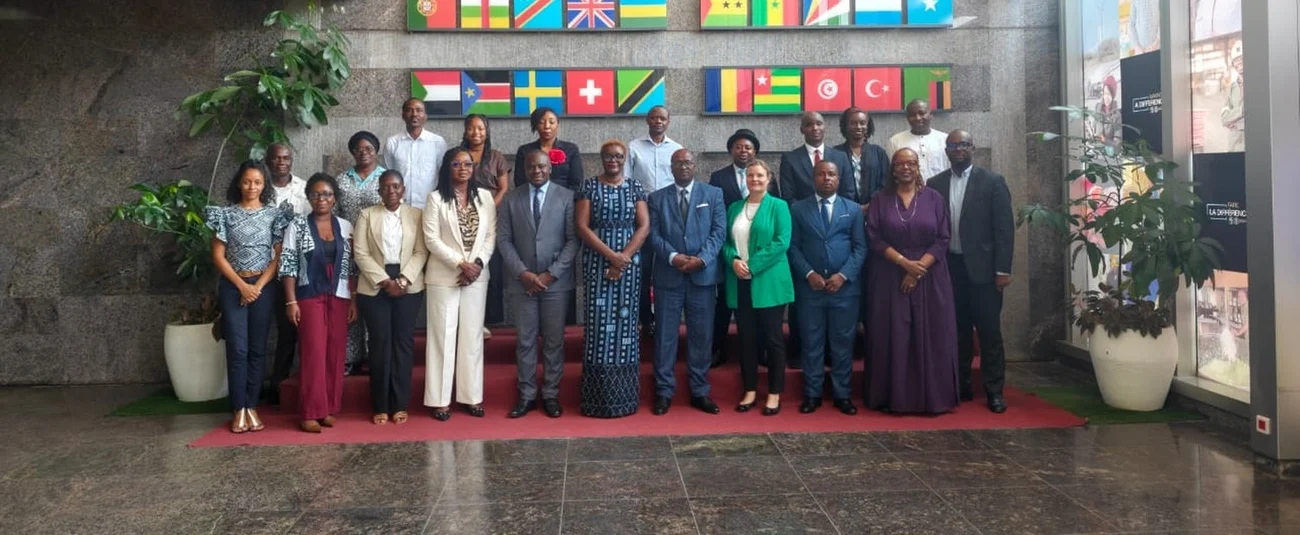
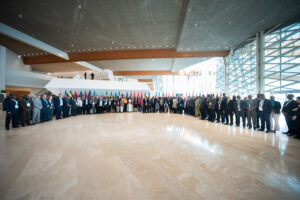
1. The 2025 ATAF Annual Meetings took place in Algiers, Algeria, from 3rd – 6th November 2025, hosted by the Direction Générale des Impôts d’Algérie under the theme “Embracing efficient and targeted approaches to equitable tax systems”. This is the first time the Annual meetings are held in Northern Africa; and included ATAF governance meetings, technical committee meetings, annual development Partner meetings, and the main tax conference.
2. Honourable Mr Abdelkrim Bouzred, Minister of Finance of the People’s Democratic Republic of Algeria, delivered the keynote address alongside Ms Mary Baine (Executive Secretary, ATAF), Mr Edward Kieswetter (ATAF Chairperson), and Mr Djamel Hanniche (Director General of Taxes of Algeria). The 2025 ATAF Annual meetings were graced with the presence of the First Lady of the Seychelles Madame Veronique Herminie, who is also a founding member of the ATAF Women in Tax Network, as well as its outgoing Chairperson.
3. Delegates discussed multiple salient and emerging tax matters including the ongoing and evolving trends in international tax cooperation and its impact and the role of Africa. This also included a focus on domestic resource mobilisation over the next five years, aimed at achieving the Sustainable Development Goals while Africa continues to advocate for the fair allocation of taxing rights and profit allocation rules that are easy to administer. Participants agreed that ATAF and its partners should continue to actively contribute to the technical design of the rules including the United Nations Framework Convention on International Tax Cooperation, while remaining engaged in the implementation of the OECD Two-Pillar solution.
4. Delegates underscored that Africa’s dual challenge lies in untaxed wealth at the top and an extensive informal economy at the base, both remaining largely outside the effective tax net. Discussions emphasized the need for data-driven approaches, system integration, and targeted compliance strategies rather than broad, untargeted registration drives. Participants called for legal and policy reforms to enable data sharing across government agencies, address data protection constraints, and secure high-level political backing for enforcement. ATAF was encouraged to continue supporting member countries in building robust data governance frameworks, modernizing legal systems, leveraging technology and data, whilst developing inclusive strategies that ensure all forms of income, visible or hidden, are brought into the tax net.
5. The conference deliberated on a rapidly growing and tech-savvy youth population in Africa and the increasing globalization of the labour markets. Economic integration, combined with technological advancements, has enabled people to access jobs and to generate income from abroad without the need for physical relocation. Delegates called for additional research and guidance on monitoring digital and remote work, while engaging in global tax discussions on the potential modification of existing international tax rules to respond to these realities.
6. Discussions highlighted that while the European Union’s Carbon Border Adjustment Mechanism (CBAM) presents compliance and competitiveness challenges for African exporters, it equally offers a catalytic opportunity for the continent to strengthen its own carbon-pricing frameworks and align domestic tax policy with sustainable-development goals. Participants concluded with three key imperatives: to build institutional capacity for carbon-pricing administration; to engage proactively in global climate-tax negotiations; and to ensure that international mechanisms, such as the CBAM, are implemented in a manner that is fair, equitable, and conducive to Africa’s sustainable industrialisation and revenue mobilisation.
7. As technology evolves, so too does governance and management of data. The conference deliberated on the role of quality data and technology in shifting tax administrations from reactive compliance management to real-time, risk-based, and predictive enforcement, investment in modern technology including data analytics and artificial intelligence. Delegates concluded that the perception of data privacy and protection standards now needs to shift to viewing the ultimate constraint on long-term success as a rise in public distrust, instead of limited access to or a lack of data. This would transform the treatment of these essential standards into the currency that builds taxpayer trust capital.
8. One of the major highlights was the discussion on the role of women in tax. In her keynote address, Her Excellency Madame Veronique Herminie, First Lady of Seychelles and the ATAF Women in Tax Network (AWITN) Board outgoing Chairperson, applauded the progress of AWITN since 2021. Her Excellency noted the key achievements of the Network, including the mentorship programme, which has empowered over 250 women, increased the participation of women in the ATAF Tax Academy training programmes, advocated for evidence-based decision-making through research, and supported the AWITN gender disaggregated data project and gender balance maturity assessments. Since the AWITN pledge was launched in 2024, 21 countries have signed the commitment. During the 2025 Annual meetings, the People’s Democratic Republic of Algeria and the Republic of Uganda signed the commitment, bringing the total to 23 countries. The delegates agreed that countries need to go beyond signing the pledge to implementation of tangible transformative measures to mainstream gender within tax their tax systems.
9. Combatting illicit financial flows remains central to Africa’s development agenda, given their profound impact on domestic resource mobilisation and fiscal sovereignty. Member countries are encouraged to continue signing and ratifying the ATAF’s Agreement on Mutual Assistance in Tax Matters (AMATM) to drive information exchange across the continent.
10. Beneficial ownership registers emerged as a critical enforcement tool for strengthening tax compliance and risk profiling. Participants recognized the need to align frameworks with Financial Action Task Force (FATF) and Global Forum standards while adapting to local realities, avoiding excessive compliance burdens on legitimate businesses, and investing in digital infrastructure to make beneficial ownership data actionable. A memorandum of Understanding was signed between Open Ownership & ATAF, to support this workstream.
11. Disputes form a large part of tax administration business, and the importance of effective prevention and resolution measures is reflected in global tax governance discussions. Delegates noted the gaps in Africa’s current dispute prevention measures, including the limited use of Advance Pricing Agreements (APAs), as well as the challenges in the resolution mechanism, such as the Mutual Agreement Procedures (MAPs), and administrative appeals. Delegates called for African countries to prioritise resources towards dispute prevention mechanisms through policy choices that speak to tax certainty for both tax administrations and taxpayers.
12. Delegates requested ATAF to among other areas, commence work on
• Data protection, privacy and Security
• Policy guidance on digital mobility of labour.
• Climate change measures, including providing technical guidance to members on the potential impact of CBAM on ATAF member countries
• Sustain efforts on tax transparency, through enhanced collaboration, and exchange of information
13. Delegates further requested ATAF to continue engaging at both the OECD/G20 Inclusive Framework and United Nations’ platforms to advance Africa’s interests in global tax governance, coordinate with like-minded institutions such as the African Union and Tax Justice Network Africa (TJNA), and combat IFFs through the ratification of the AMATM and uptake of the Anti-IFF policy Tracker.
14. Delegates also invited AWITN to include considerations beyond tax policy and administration in the gender disaggregated data project, particularly all issues related to gender equality.
15. In conclusion, delegates appreciated the work done by the ATAF Secretariat in 2025 and welcomed the finalisation and renewal of partnerships, and the signing of agreements with partners like Finland, Norway, who tripled and doubled their support to ATAF respectively.