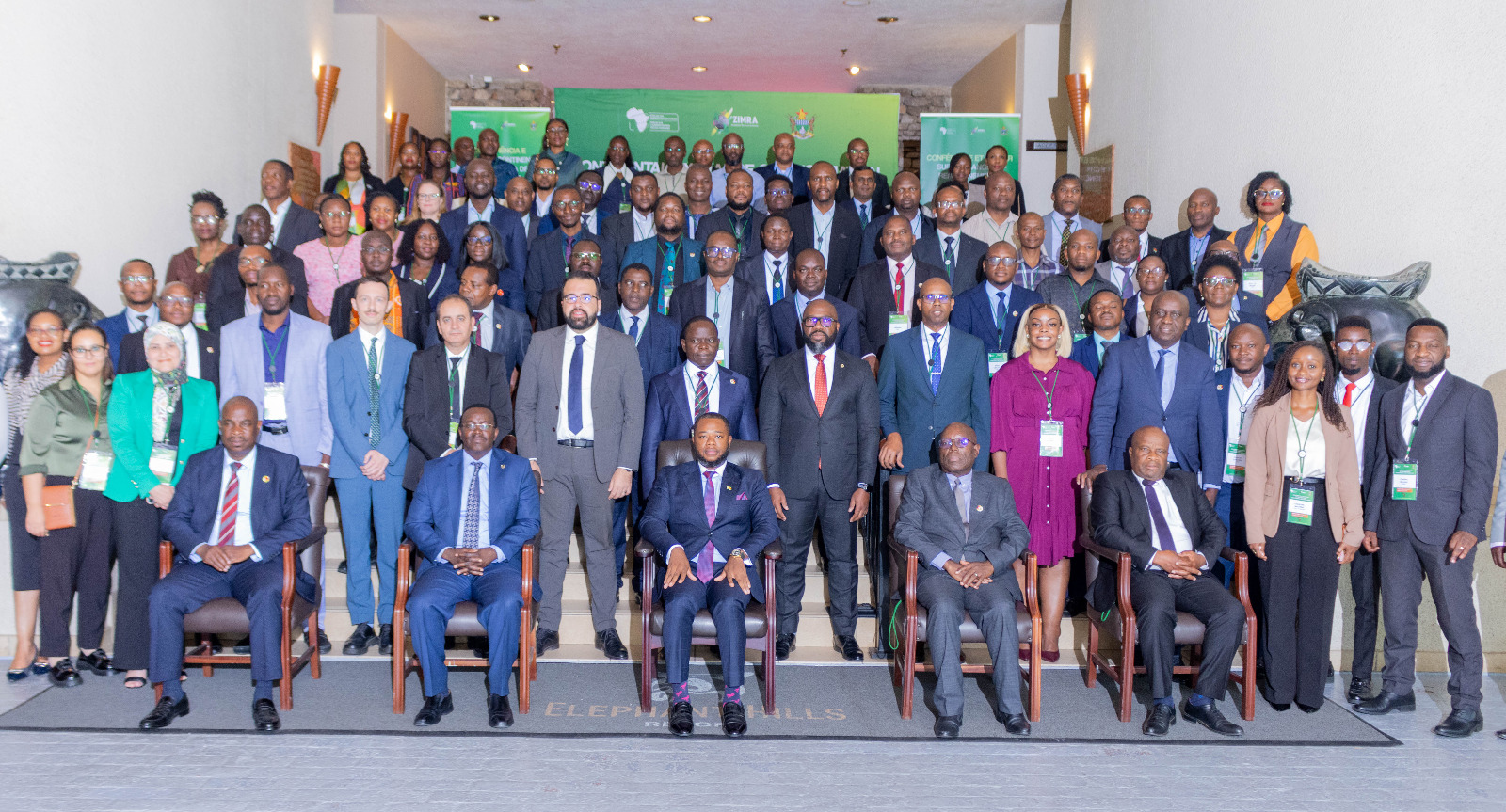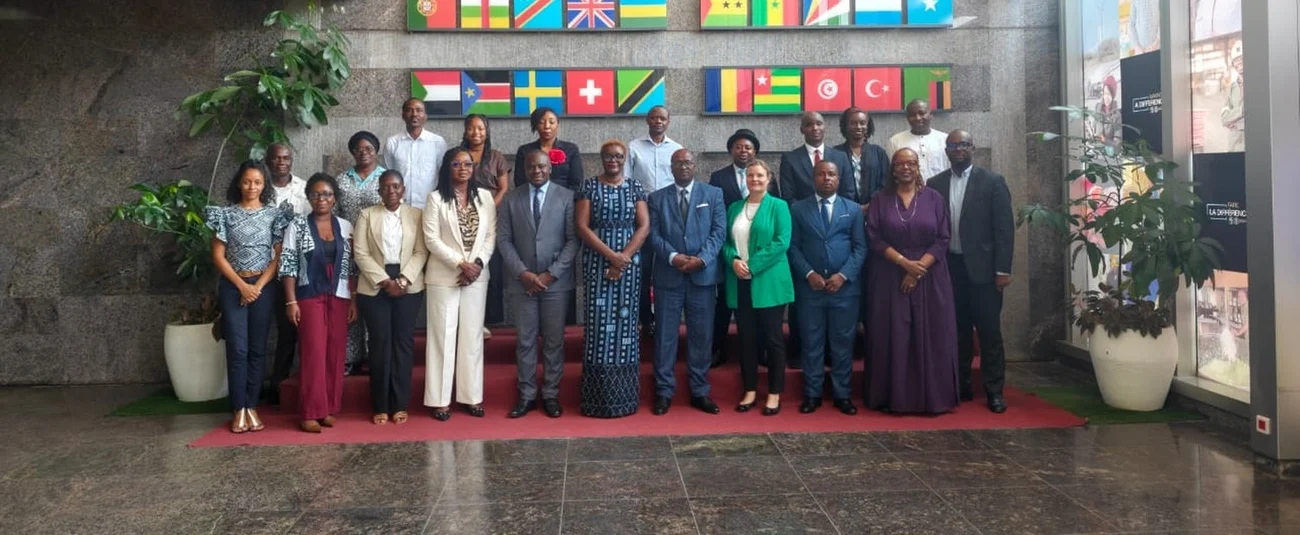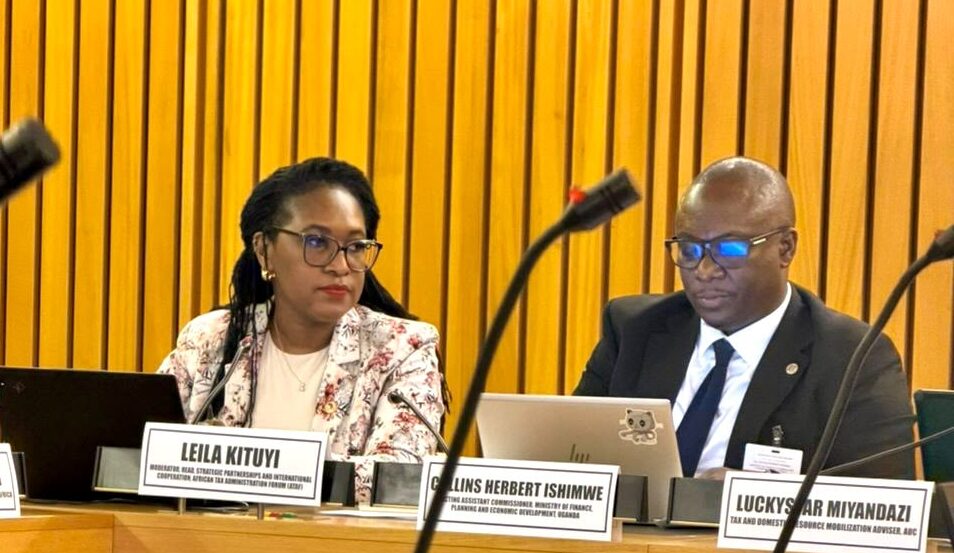
Algeria’s Minister of Finance, Mr Abdelkrim Bouzred, officially opened the 2025 ATAF Annual Meetings at the International Conference Centre in Algiers, welcoming a high-level audience that underscored Africa’s ambition to shape a fair, modern and data driven tax agenda. In the room were H.E. Véronique Herminie, First Lady of the Republic of Seychelles; Algeria’s Minister of Trade, Mr Kamel Rezig; Ms Jing Zhao, Deputy Commissioner of China’s State Taxation Administration; and Mr Abdelhafid Bakhouche, Director-General of Algerian Customs. They joined more than 200 delegates from across Africa and beyond, including over 16 Directors-General and Commissioners-General of tax administrations.
Opening the meetings, Minister Bouzred stressed the urgency of practical cooperation among African countries to strengthen domestic revenue mobilisation and fund development priorities. His remarks set the tone for a week focused on solutions: aligning national reforms with continental priorities, leveraging technology and data, and ensuring tax systems are efficient, fair and trusted.
ATAF’s leadership featured prominently throughout the opening. Mr Edward Kieswetter, Chair of the ATAF Council, and Ms Mary Baine, ATAF Executive Secretary, outlined a member-centred agenda that moves from analysis to action. Ms Baine emphasised that Africa’s tax future will be built on execution—by deploying tools that help administrations close compliance gaps, use data intelligently, and implement reforms that citizens can see and feel. She highlighted ATAF’s role in convening peers, codifying good practices, and providing hands-on technical support where it matters most.
The host administration also framed the meetings in concrete terms. Algeria’s Director-General of Taxes underlined the objective of “solidifying the continent’s self-sufficiency in financing its future,” pointing to digital transformation, effective data use and strong institutions as the backbone of credible tax systems.
Across plenaries and technical sessions, delegates examined the evolution of global tax governance and Africa’s role in shaping international cooperation; practical pathways to tax hard-to-reach segments (the informal sector, high-income individuals, and other complex profiles); gender-responsive taxation using sex-disaggregated data; and climate-related measures, including carbon border adjustments and pricing. Sessions will also tackle the mechanics of data-driven tax administration—risk-based compliance, secure data sharing, and governance frameworks that protect privacy while improving enforcement—alongside illicit financial flows, beneficial ownership transparency, and faster dispute prevention and resolution.
The programme blended high-level dialogue with working committees, enabling administrations to translate shared ambitions into concrete next steps. With senior leaders, policy experts and operational teams in the same room, the meetings aim to turn commitments into implementable actions: country work plans, collaborative pilots, and peer-to-peer support anchored in ATAF tools and guidance.
Hosting the meetings in Algiers signals Algeria’s growing role in regional cooperation and its support for a continental tax agenda grounded in fairness, capability and results. For ATAF, the gathering is both a stock-take and a springboard: a chance to showcase member leadership, crowd in partnerships, and accelerate the delivery of solutions—so African countries can mobilise more of their own resources, on their own terms.