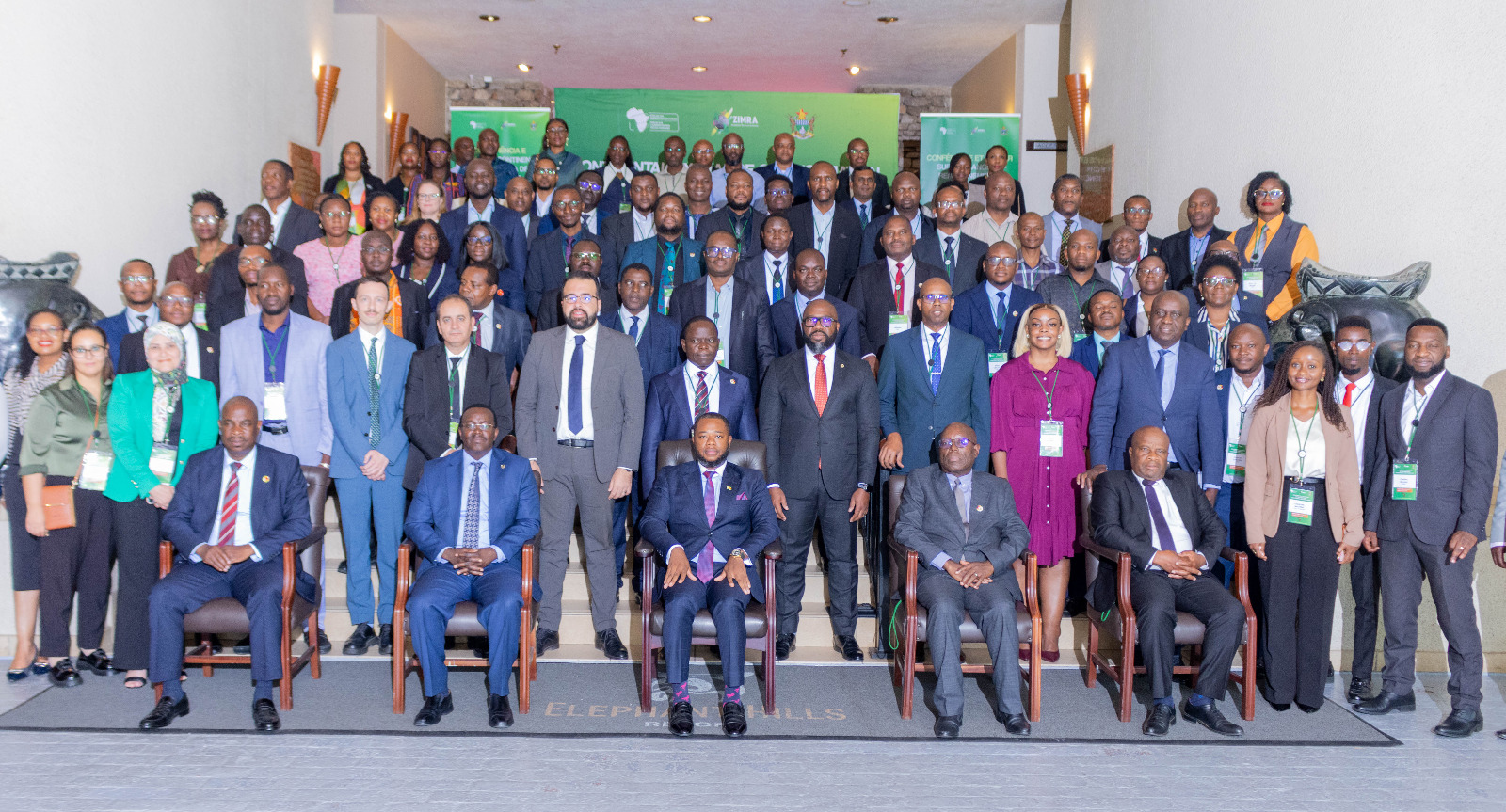
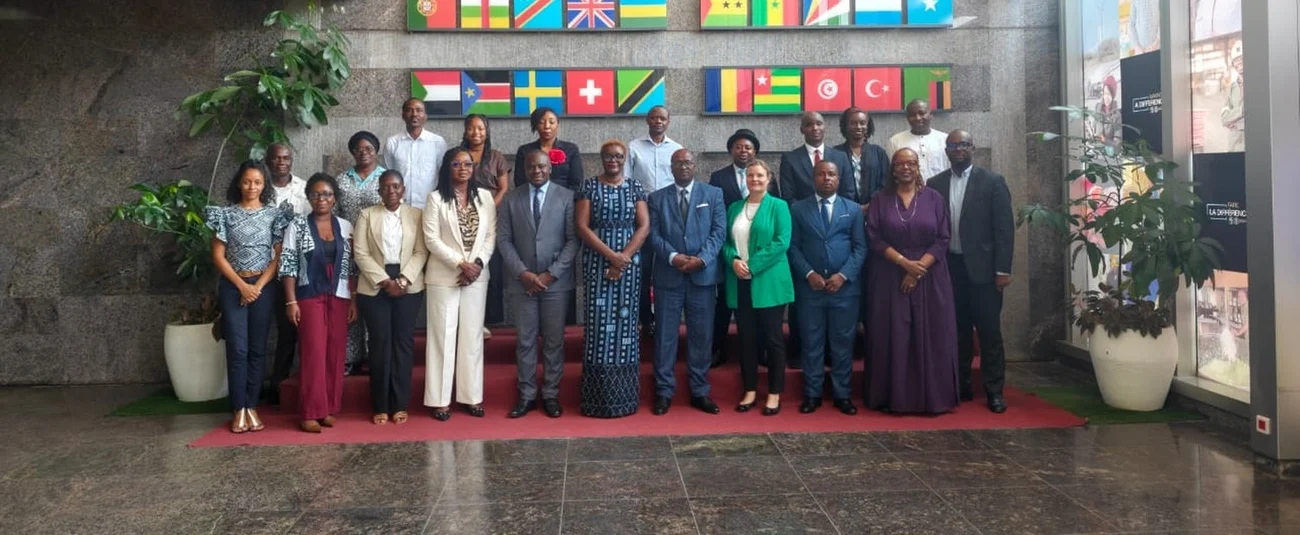
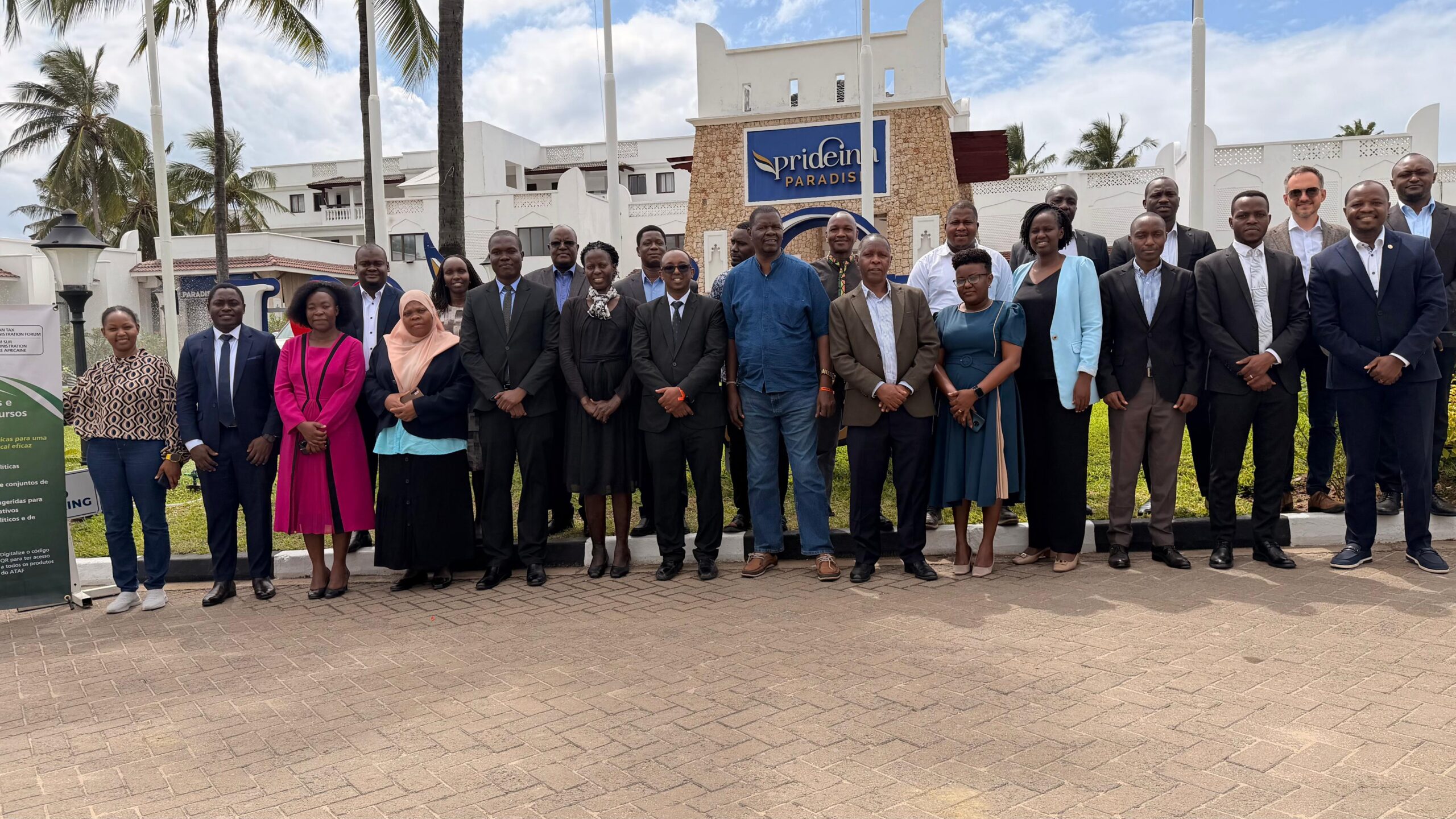
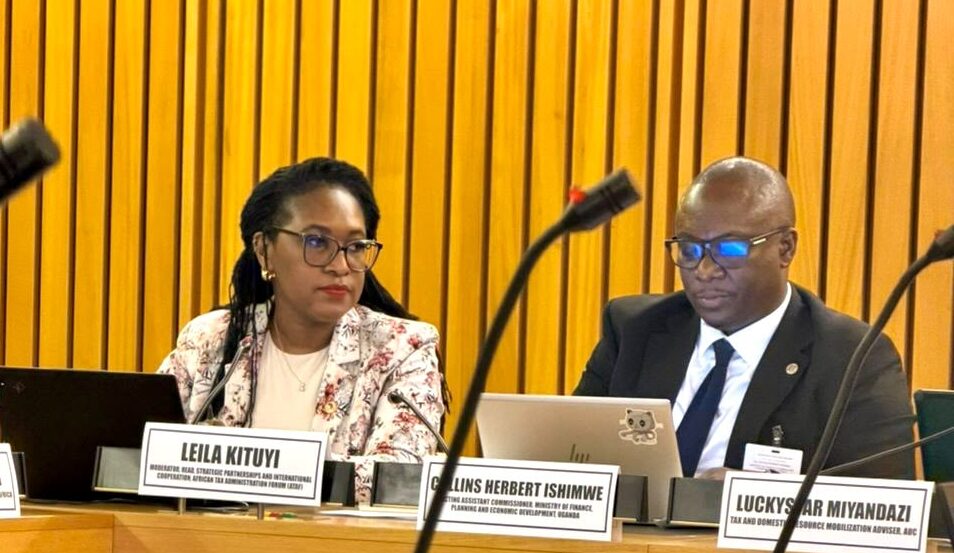
ATAF advanced Africa’s tax policy agenda at the African Union’s 5th STC Subcommittee on Tax and Illicit Financial Flows (IFFs) in Abuja, Nigeria, placing African-designed tax tools and anti-IFF strategies firmly in the spotlight. Led by the Executive Secretary, the ATAF delegation engaged in a packed programme of plenary sessions, bilateral meetings, and technical briefings that will help shape how African countries mobilise revenue and curb illicit flows in the years ahead.
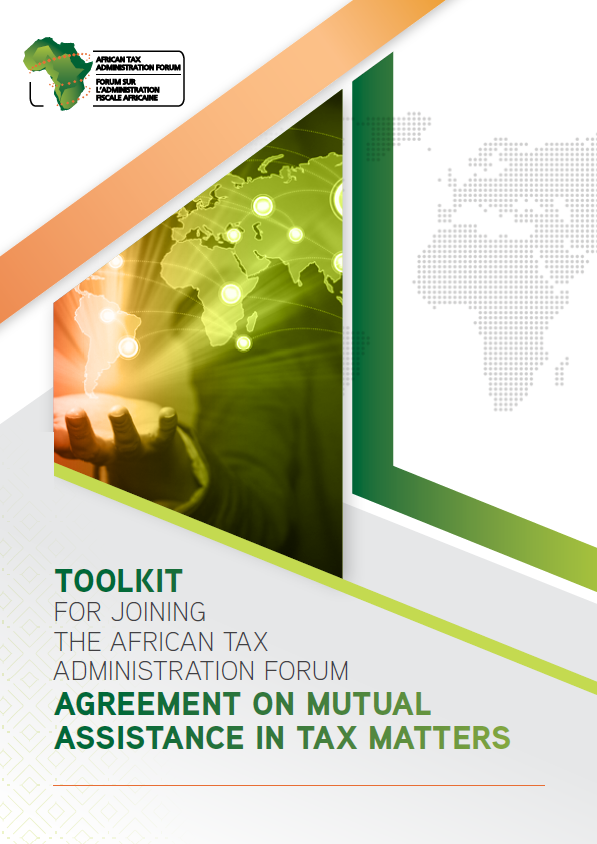
From the opening session, ATAF’s leadership delivered a clear message: member countries must actively deploy the tools already developed to protect their tax bases. In her intervention, the Executive Secretary urged governments to take up ATAF’s instruments, a call that was echoed by the Executive Chairman of the Nigeria Revenue Service, who highlighted the ATAF Agreement on Mutual Assistance in Tax Matters (AMATM) and the ATAF Model DTA as critical resources for tax administrations across the continent.
Speaking during a high-level panel debate, Ms Baine underscored how ATAF’s in-country support is strengthening collaboration with the African Union and delivering tangible results. “Our work in member countries is precisely to ensure members have the tools to mobilise revenue and combat IFFs. Our results are clear: over 12,000 tax officials trained, an upward trend in revenue collected, matched by revenue assessed in direct audit support,” she noted, pointing to growing demand for ATAF’s technical assistance and partnerships.
The discussions also highlighted progress since the previous STC meeting. In a detailed report-back, Mr Thulani Shongwe presented ATAF’s implementation of earlier recommendations, reporting an 88% implementation rate and concrete advances in guidance on the taxation of the digital economy, treaty tools for the African Union, and revisions to the ATAF Model DTA. He further highlighted early successes from five pilot countries—Côte d’Ivoire, Ghana, Liberia, Namibia, and Uganda—that have rolled out the Anti-IFF policy tracker to identify and address critical policy gaps.
In a dedicated technical session led by Mr Anthony Munanda, ATAF’s technical committees under the Joint Technical Committee (JTC) showcased ongoing workstreams addressing IFF challenges, from risk analysis to the development of tools to support complex cross-border investigations.
A recurring concern throughout the discussions was the slow uptake of Automatic Exchange of Information (AEOI) systems and broader information exchange frameworks across Africa, which were identified as key constraints to effective audits and investigations.